
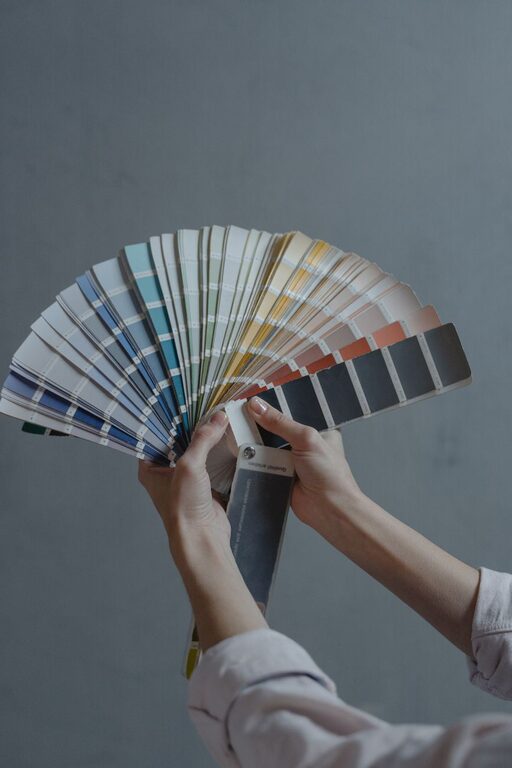
Creating a calm and inviting atmosphere at home often starts with the colours you choose for your walls and décor. Calm colours can help reduce stress, promote relaxation, and make your space feel more welcoming. Whether you’re redecorating a single room or your entire home, selecting the right hues is essential for creating the peaceful environment you desire. In this post, we’ll explore practical tips for choosing calm colours and offer guidance on how to use them effectively.
Why Choose Calm Colours?
Calm colours are typically soft, muted shades that evoke a sense of serenity. These colours tend to have a soothing effect on the mind and can help balance the energy in a room. Unlike vibrant or overly bright tones that may stimulate excitement and activity, calm colours promote relaxation and comfort — ideal for bedrooms, living rooms, or any area where you want to unwind.
Popular Calm Colour Families
Before choosing specific shades, it helps to know which colour families tend to convey calmness:
– Blues: Often associated with the sea and sky, blues create a peaceful, cool atmosphere.
– Greens: Reminiscent of nature, soft greens offer a refreshing and restful vibe.
– Neutrals: Warm beiges, soft greys, and creamy whites provide a versatile calm backdrop.
– Lavenders and soft purples: These can add a gentle, elegant touch of calm.
Tips for Choosing Calm Colours
1. Consider the Room’s Purpose
Think about how you use the room. Bedrooms and reading nooks benefit from very soft, muted shades like pale blues or sage green. Living rooms might tolerate slightly richer calm colours to maintain coziness without overwhelming the senses. For a home office, consider calm but focused colours like soft greys or gentle blues.
2. Test Colours in Different Lights
Natural and artificial light can change the way a colour looks. Paint sample patches on the wall and observe them during various times of day to see how they appear in morning sun, afternoon shade, and evening lamp light. This will help you avoid colours that feel too cold, dull, or harsh in your space.
3. Use Colour Psychology as a Guide
While personal preference is key, colour psychology can provide helpful insights. For example, blue hues tend to lower heart rate and blood pressure, green promotes balance and restfulness, and neutral shades can help create a grounding effect.
4. Balance Colours with Textures and Materials
Even calm colours can feel cold if paired with the wrong textures. Warm, natural materials—like wood, cotton, wool, and linen—work well to add softness and comfort to cool colour schemes. Consider furnishings, rugs, and curtains that complement the wall colours and enhance the room’s calming effect.
5. Create a Cohesive Colour Palette
Don’t limit yourself to one colour. Combining different shades of calm colours can add depth and interest while maintaining a soothing atmosphere. For example, pair a muted blue wall with cream upholstery and soft green accessories. Aim for a harmonious palette where colours support, rather than compete with, each other.
6. Avoid Overly Bright or Dark Shades
Very bright colours can be visually stimulating rather than relaxing. Similarly, extremely dark colours might make a space feel heavy or oppressive. Instead, aim for mid-tone and pastel variants that offer softness and subtlety.
Practical Examples of Calm Colour Schemes
Here are a few colour combinations proven to create calm and inviting spaces:
– Soft blue walls, white trim, and natural wood furniture: A classic, airy combination ideal for bedrooms.
– Sage green with beige accents and linen fabrics: Brings the tranquility of nature indoors.
– Muted lavender with soft grey and silver accessories: Elegant and restful for a lounge or guest room.
– Creamy white and pale taupe paired with textured rugs and cushions: Warm and grounding for living areas.
Final Thoughts: Trust Your Instincts
While guidelines and colour theory are useful, trust your own feelings about colours. What calms one person may not be quite the same for another. Take your time exploring samples and imagine how you want to feel in your space. With thoughtful choices, you can create a home filled with calm colours that help you relax and recharge every day.
—
Remember, choosing calm colours is not about strict rules but about creating a space where you feel at ease. Enjoy the process of discovery and let your home become a true sanctuary.