
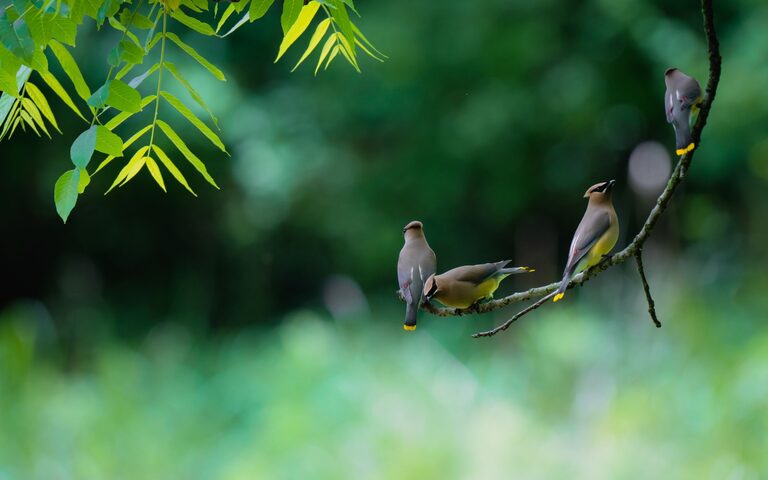
Birdwatching is a relaxing and rewarding hobby that anyone can enjoy, right from the comfort of their own backyard. Whether you have a large garden or a small outdoor space, observing birds can bring you closer to nature and add a splash of life to your day. If you’re new to birdwatching, this guide provides simple beginner tips to help you get started and make the most of your birdwatching experience.
Why Start Birdwatching in Your Backyard?
Birdwatching doesn’t require expensive equipment or travel to far-off places. Your backyard offers a convenient and peaceful spot to observe local wildlife. Watching birds can be a great way to unwind, learn about different species, and even support local ecosystems by creating a bird-friendly environment.
Getting Ready: What You Need to Start
Before you begin, gather a few essentials to make birdwatching easier and more enjoyable.
1. Binoculars
A good pair of binoculars allows you to see birds clearly without disturbing them. You don’t need the most expensive model; a pair with 8x or 10x magnification works well for beginners.
2. Bird Guidebook or App
Identifying birds is one of the most exciting parts of birdwatching. A guidebook or a mobile app with pictures and descriptions of local birds will help you recognise species and learn about their habits.
3. Notebook or Journal
Keep a simple notebook to record the birds you see, the time, and any interesting behaviour. This will improve your observation skills and provide a personal record of your sightings.
Creating a Bird-Friendly Backyard
To attract more birds, consider making your garden a welcoming habitat.
Provide Food
Bird feeders stocked with seeds, nuts, or suet attract a variety of species. Different birds prefer different foods, so offering a mix can bring more visitors.
– Seed feeders: Attract finches, sparrows, and tits.
– Suet feeders: Popular in winter, attract woodpeckers and starlings.
– Fruit feeders: Attract thrushes and blackbirds.
Offer Water
A birdbath or shallow water source is essential, especially during dry periods. Change the water regularly to keep it fresh and clean.
Plant Native Trees and Shrubs
Native plants provide natural food like berries and insects as well as shelter for birds. Trees and bushes also offer safe nesting spots.
Provide Shelter and Nesting Sites
Bird boxes and dense shrubs give birds safe places to rest and raise their young.
Tips for Successful Birdwatching
1. Be Patient and Quiet
Birds are easily startled by sudden movements and loud noises. Find a comfortable spot, stay still, and speak softly if needed.
2. Observe at the Right Times
Early mornings and late afternoons are when birds are most active. These times increase your chances of spotting more species.
3. Watch for Movement and Listen
Birds often reveal themselves through sounds or quick movements in trees and bushes. Learning to identify bird songs can be just as helpful as sighting a bird.
4. Use a Field Guide Together with Photos
Compare birds you see with images in your guidebook or app. Note key features like size, colour, beak shape, and behaviour to help with identification.
5. Respect Wildlife
Keep a respectful distance to avoid stressing the birds. Never try to feed birds harmful foods like bread, and avoid disturbing nests.
Common Backyard Birds to Look Out For
Depending on your location in the UK, you might see some or all of these common garden birds:
– Robin
– Blue Tit
– Blackbird
– Great Tit
– House Sparrow
– Wood Pigeon
– Chaffinch
– Goldfinch
– Collared Dove
Joining the Birdwatching Community
Birdwatching can be a social hobby too. Consider joining local wildlife groups or online birdwatching forums where you can share sightings, learn from others, and participate in citizen science projects.
Final Thoughts
Starting birdwatching in your backyard is simple and enjoyable. With a little preparation and patience, you’ll discover the fascinating world of garden birds and create a valuable habitat for wildlife. Happy birdwatching!