
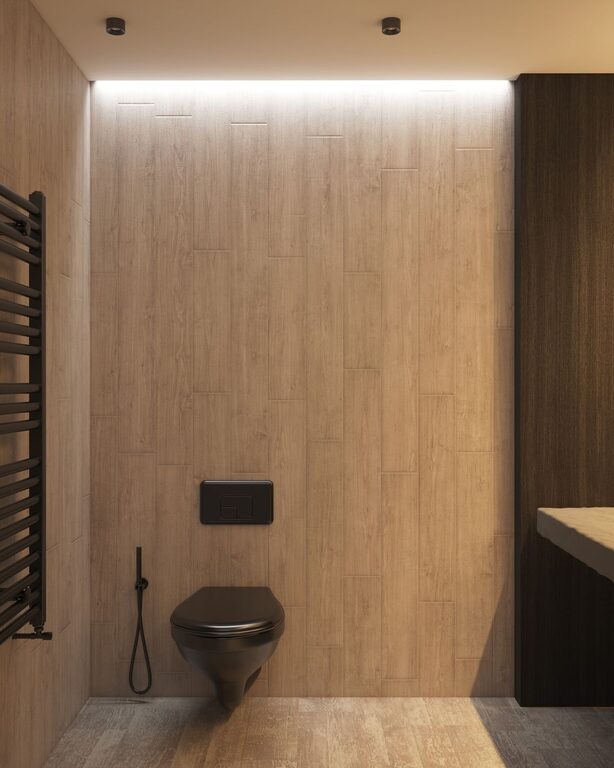
Creating a minimalist bathroom setup is a fantastic way to bring calm, clarity, and elegance to one of the most frequently used spaces in your home. Minimalism is not just about reducing clutter; it’s about thoughtful design that emphasises simplicity, clean lines, and essential elements. This guide will walk you through the key steps to achieve a minimalist bathroom that feels both serene and practical.
What Is a Minimalist Bathroom?
Minimalism revolves around the principle of “less is more”. In a bathroom, this means focusing on simplicity, reducing excess items, and choosing fixtures and decor that are functional and subtle in style. A minimalist bathroom tends to feature neutral colours, streamlined shapes, and organised storage, creating an atmosphere that is relaxing and visually uncluttered.
Step 1: Clear the Space
Before adding or changing anything, start with a declutter session:
– Remove all non-essential items from counters, shelves, and drawers.
– Sort toiletries, towels, and accessories, keeping only what you use regularly.
– Consider donating or recycling duplicates and expired products.
Clearing out unnecessary items creates a clean base to work from and mentally prepares you for the redesign.
Step 2: Choose a Simple Colour Palette
A minimalist bathroom typically uses a calm, neutral colour scheme that promotes tranquility. Consider these options:
– Shades of white, cream, grey, or soft beige
– Muted pastels or earthy tones for subtle warmth
– Matte finishes to avoid a glossy, busy look
Avoid too many contrasting colours or bold patterns, which can disrupt the calm feel.
Step 3: Select Streamlined Fixtures and Fittings
Choosing the right bathroom fixtures is crucial:
– Opt for a sleek, wall-mounted basin or a simple pedestal sink.
– Choose a frameless glass shower screen or a walk-in shower with minimal hardware.
– Use taps and handles with clean lines and modern shapes, avoiding ornate designs.
– Consider space-saving options, such as a floating vanity or recessed shelves.
Minimalism thrives on functionality and simplicity, so each item should have a practical purpose.
Step 4: Incorporate Smart Storage Solutions
Hidden storage is key to maintaining a tidy, minimalist look:
– Use built-in cabinets or floating shelves to keep items out of sight.
– Choose storage with flat surfaces and handle-free doors to reduce visual clutter.
– Use baskets or minimal containers inside cupboards to organise smaller items.
– Keep everyday essentials within easy reach but neatly arranged.
Good storage ensures clutter doesn’t accumulate on surfaces.
Step 5: Opt for Quality Over Quantity in Accessories
Accessories should complement the minimalist aesthetic without overwhelming the space:
– Select a few carefully chosen items, such as a simple soap dispenser, a small plant, or a neatly folded stack of towels.
– Avoid excessive decor, patterns, or bright colours.
– Use natural materials like wood, stone, or ceramic for warmth and texture.
– Ensure all accessories match your chosen colour palette and style.
Minimalism is about restraint and thoughtful selection.
Step 6: Focus on Lighting and Mirrors
Lighting and mirrors can dramatically improve the sense of space and calmness:
– Use natural light as much as possible by keeping windows clear or adding sheer curtains.
– Install soft, warm LED lighting around mirrors or overhead to avoid harsh brightness.
– Choose a large, frameless mirror or one with a very simple frame to reflect light and create the illusion of space.
Good lighting adds both functionality and ambiance.
Step 7: Keep Floors and Walls Simple
The surfaces play an important role in the minimalist look:
– Use large-format tiles or continuous flooring to reduce grout lines and visual breaks.
– Stick to simple textures and neutral colours on floors and walls.
– Consider smooth, matt-finish paint or lightly textured wallpaper in muted tones.
– Avoid busy patterns or glossy surfaces that might distract.
Smooth, consistent surfaces enhance simplicity and spaciousness.
Step 8: Maintain the Minimalist Bathroom Routine
Once your minimalist bathroom is set up, keeping it tidy is essential:
– Clean regularly to avoid build-up of dirt and clutter.
– Return items to their designated spots after use.
– Periodically review products and accessories to ensure only essentials remain.
– Maintain surfaces free of excess items for a calming effect.
A minimalist space is an ongoing effort but creates a rewarding environment.
Summary Checklist for a Minimalist Bathroom
– Declutter and remove unnecessary items
– Choose a neutral, calming colour palette
– Select simple, functional fixtures
– Incorporate hidden and organised storage
– Use a few quality accessories with natural materials
– Maximise natural light and install soft, layered lighting
– Keep floors and walls simple and consistent
– Regularly maintain cleanliness and organisation
By following these steps, you can create a minimalist bathroom that serves your daily needs while offering a peaceful retreat. The beauty of minimalism is that it’s adaptable to any bathroom size or style, making it a timeless choice.
—
Embracing minimalism in your bathroom doesn’t just improve aesthetics; it can enhance your routine and wellbeing. With thoughtful planning and a focus on essentials, your bathroom can become a clutter-free, stylish sanctuary.