
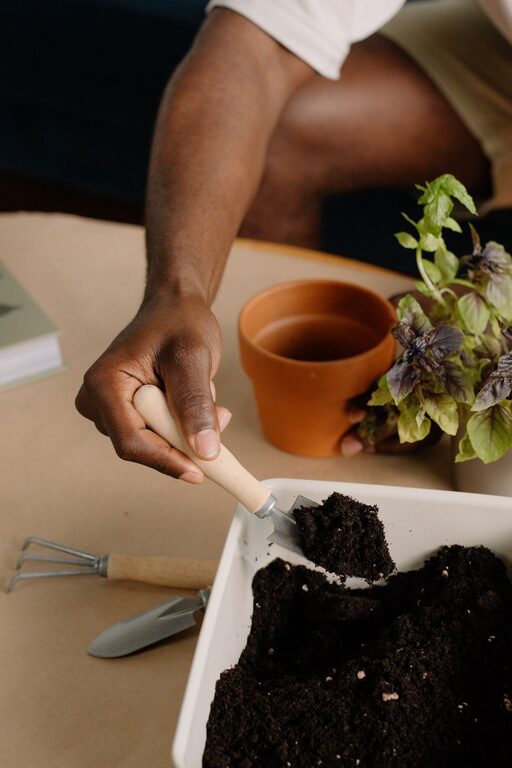
Growing herbs indoors is a wonderful way to add fresh flavours to your cooking and brighten up your home with green, fragrant plants. Whether you have a small apartment or a spacious kitchen, an indoor herb garden can be simple, rewarding, and enjoyable. This guide will help you start your own small herb garden inside, covering everything from choosing the right herbs to caring for them successfully.
Why Grow Herbs Indoors?
Indoor herb gardens offer many benefits:
– Year-round access to fresh herbs.
– No need for a garden or outdoor space.
– Controlled environment to keep plants healthy.
– A lovely natural decoration for your kitchen or windowsill.
– Cost-effective and sustainable compared to buying herbs regularly.
Choosing the Right Herbs for Indoor Growing
Some herbs are better suited to indoor gardening than others. When selecting herbs, consider their light, water, and space requirements.
Easy Herbs for Beginners
– Basil – great for many dishes and loves sunlight.
– Mint – grows quickly but keep in its own pot to avoid spreading.
– Parsley – versatile and tolerant of partly shaded areas.
– Chives – hardy with mild onion flavour.
– Coriander (cilantro) – prefers cooler spots with good light.
Tips for Selecting Your Pots and Soil
– Use pots with drainage holes to prevent waterlogging.
– A good quality potting mix is essential; look for one designed for indoor plants.
– Avoid heavy garden soil which can be too dense for indoor pots.
Setting Up Your Indoor Herb Garden
Step 1: Find a Suitable Spot
Herbs need plenty of light, ideally 6 to 8 hours a day. A south-facing window sill is often best, but east or west windows can work well too. If natural light is limited, consider using a grow light to supplement.
Step 2: Prepare Pots and Soil
Fill your chosen pots with fresh potting mix. If you’re starting from seeds, plant them according to packet instructions, usually 0.5cm deep and lightly packed. For seedlings or small plants, make a hole large enough for the roots and gently firm in the soil.
Step 3: Watering Carefully
Water herbs when the top inch of soil feels dry. Most herbs prefer slightly moist but not soggy soil. Overwatering is a common mistake that can cause root rot. Use a small watering can or spray bottle to control moisture levels.
Step 4: Feeding Your Herbs
Indoor herbs benefit from regular feeding since nutrients in potting mix deplete quickly. Use a balanced, water-soluble fertiliser every few weeks during the growing season, diluted to half strength to avoid burning the plants.
Caring for Your Indoor Herbs
Light and Temperature
Herbs thrive in temperatures between 18–24°C. Avoid placing plants near heat sources or cold drafts. Rotate pots regularly to ensure even light exposure and prevent leaning.
Pruning and Harvesting
Prune herbs regularly to encourage bushier growth. When harvesting, pick leaves from the top and sides rather than cutting the entire plant. This helps the herbs continue growing and provides a steady supply.
Dealing with Common Issues
– Yellowing leaves may indicate overwatering or lack of nutrients.
– Leggy growth suggests insufficient light; move plants to a brighter spot.
– Pests like aphids or spider mites can appear. Remove pests by wiping leaves with soapy water or neem oil.
Popular Indoor Herb Garden Ideas
Windowsill Garden
Place pots side-by-side on a sunny windowsill for easy access and maximum natural light. Use matching pots for a neat look.
Vertical Herb Garden
If space is tight, try a vertical garden stand with small pots or wall-mounted containers. This saves space and looks stylish.
Herb Garden in a Jar
Grow herbs like basil or parsley in glass jars with soil or water. These are great for kitchens with limited space.
Troubleshooting Tips
– If herbs aren’t growing well, check light levels and watering schedules first.
– Repot herbs every year or when roots outgrow their pots.
– Keep humidity levels moderate; indoor air can be dry, especially in winter.
Enjoy Your Indoor Herb Garden
Growing a small herb garden indoors is a delightful way to connect with nature and enhance your cooking. With a little attention and care, your herbs will flourish, providing fragrance, greenery, and fresh ingredients throughout the year.
Happy gardening!